First successful BVLOS drone flight to offshore wind farm
Thursday 22 January 2026
Ecowende has successfully deployed an unmanned drone to map marine life in and around offshore wind energy areas. The test flight, carried out on Tuesday January 20 by Czech drone operator Primoco on behalf of Ecowende partners BioConsult SH and HiDef Aerial Surveying, marks a milestone for Dutch aviation: it is the first Beyond Visual Line of Sight (BVLOS) flight conducted over the high seas.
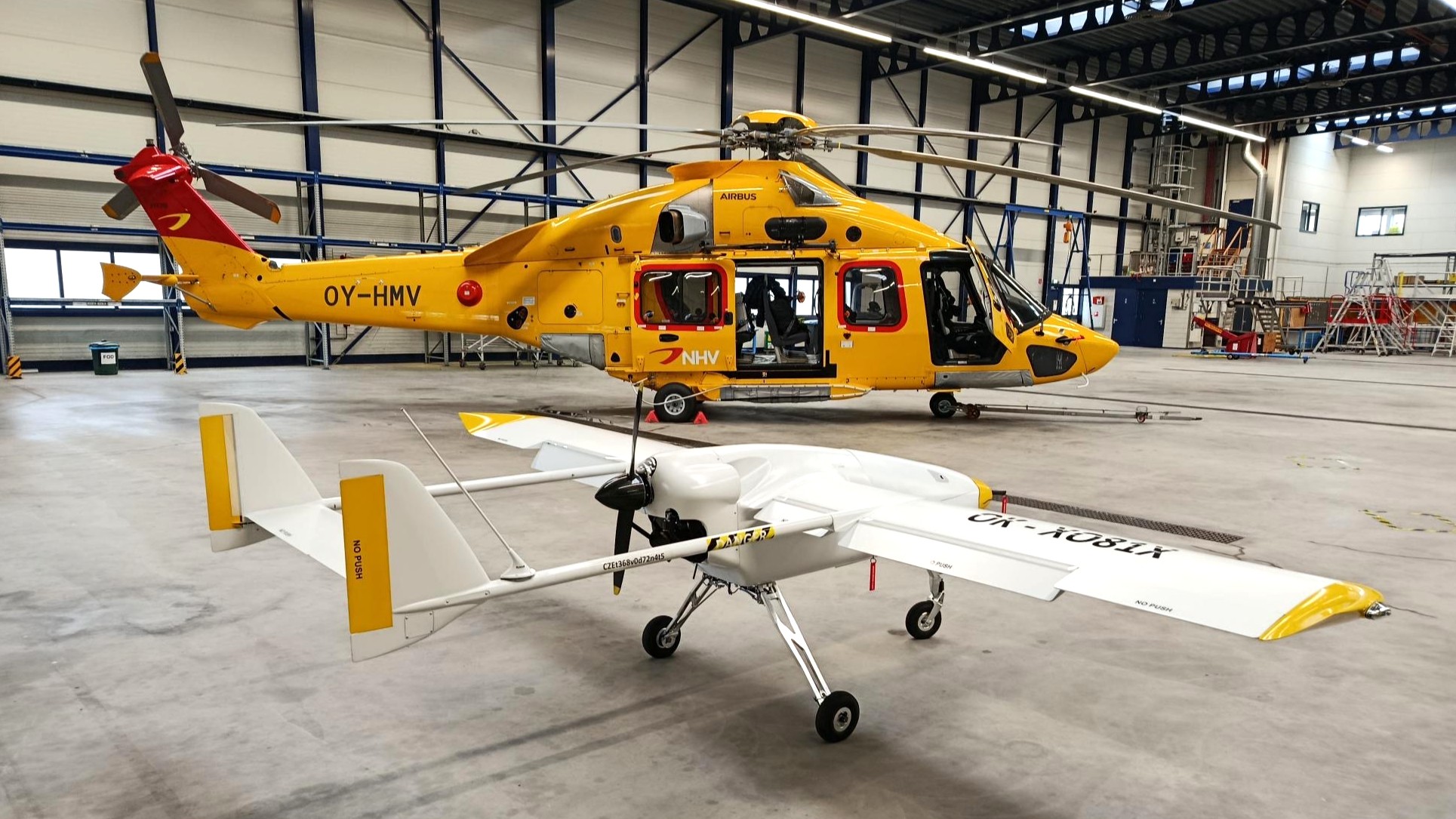
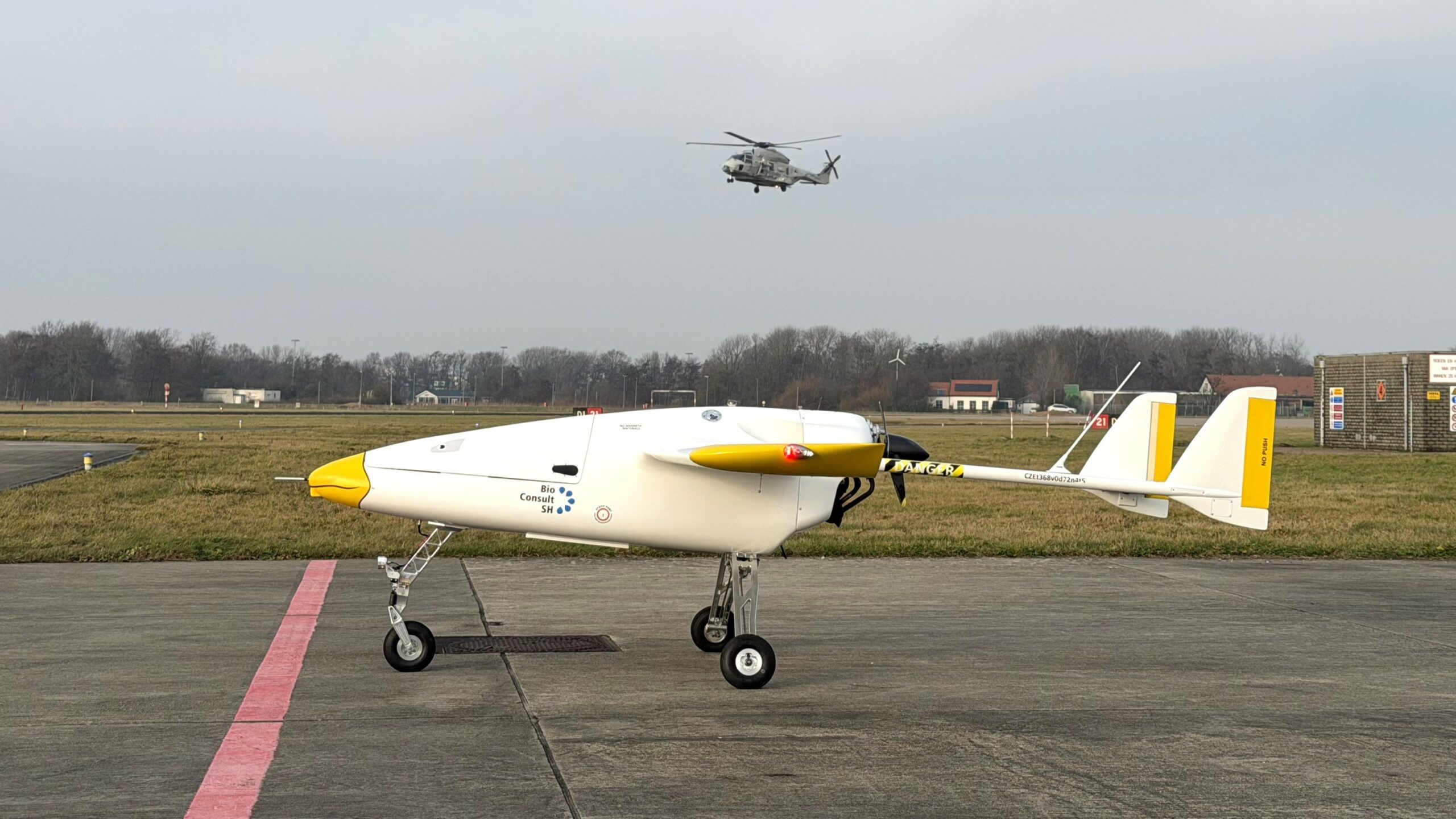
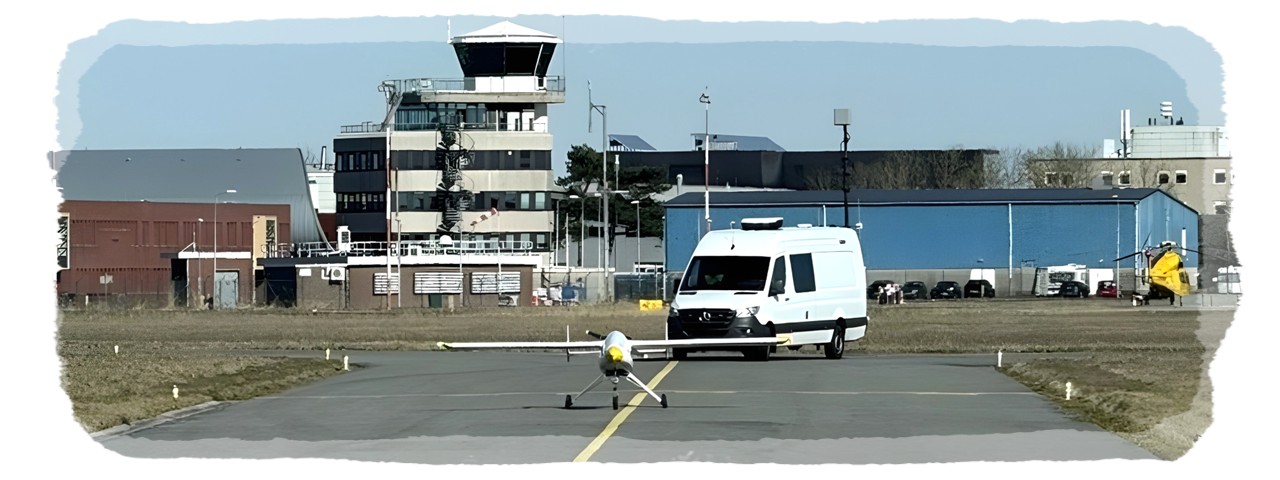
For the mission, the Primoco One 150 — a lightweight unmanned aerial vehicle (UAV) equipped with specialised cameras — was used. The drone took off from Den Helder Airport, following a pre-programmed route over the area where Ecowende’s Hollandse Kust West wind farm is being constructed, approximately 53 kilometers off the coast of IJmuiden.
“Our monitoring flights used to be carried out with a manned aircraft emitting 136 kilos of CO₂ per hour,” says Hermione van Zutphen, Ecology Programme Manager at Ecowende. “The Primoco One 150 UAV emits only 10.86 kilos of CO₂ per hour, although it flies about half as fast. This means we reduce our CO₂ emissions per flight by around 84 percent – an important step toward our ambition to build a wind farm with minimal environmental impact.”
Advanced technology for biodiversity research
The drone is equipped with the integrated HiDef video system, which captures ultra-high-resolution imagery. This technology enables efficient and accurate monitoring of the marine ecosystem without disturbing wildlife.
"By integrating the HiDef video system into drones, we are making a significant step in the transition from manned aircraft to unmanned technology for high-quality, efficient data collection,” says Christian Vlasak, Chief Engineer at BioConsult SH.
Milestone for the wind sector and aviation
The drone flight represents a first – not only for the wind sector but also for Dutch aviation. Conny van den Hoff, Director of Den Helder Airport, explains: “What makes this flight so special is that it’s the first BVLOS operation ever conducted in the Netherlands in public airspace over the sea. In such a mission, the drone operates beyond the direct line of sight of the operator. We are proud to make our facilities available for these kinds of high-tech operations and to play a pioneering role in the development of drone flights for offshore applications.”
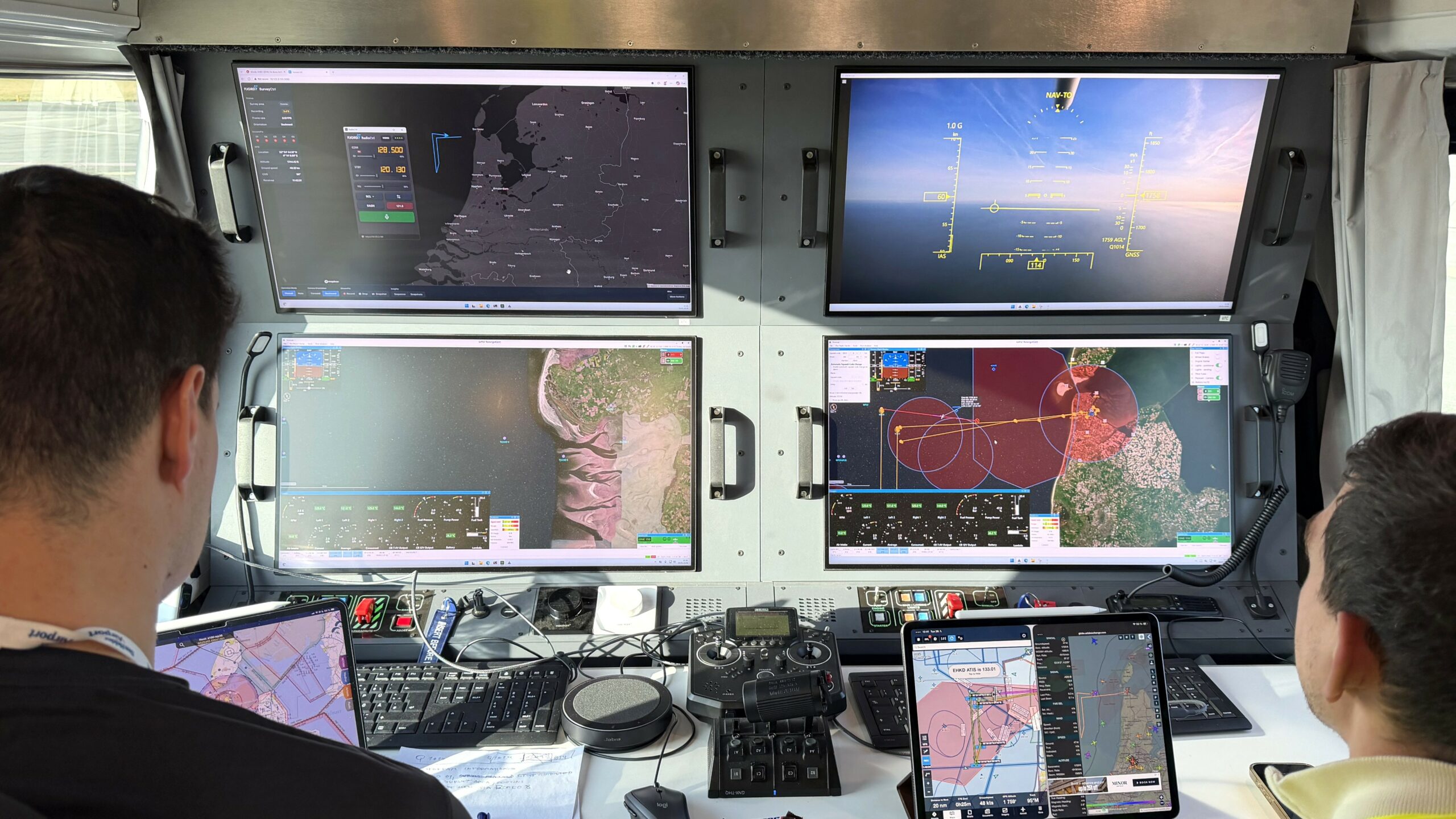
The operation utilised advanced technologies such as pre-programmed flight paths, real-time monitoring, and an automatic return-to-base function to ensure the drone’s safe return in case of system issues.
A more sustainable and safer offshore wind industry
By replacing manned aircraft with drones, emissions are reduced while safety is increased — no onboard crew is required for inspection or survey flights in offshore wind farms. Van Zutphen concludes: “With this successful mission, we are taking an important step toward a more sustainable and safer offshore wind industry.”